CAREER RESILIENCE FOR IT PEOPLE

Your code career is great.
Now get a backup profession with actual sparks.

AI keeps getting better at digital tasks, which is terrific right up until it starts attending your performance review. This is a satirical-but-serious project for IT people who want a second, practical skill that is harder to automate: carpentry, welding, plumbing, machining, electrical work, and more.

Get updates, trade spotlights, practical resources, and early access to future stuff we launch for dual-skilled humans. No spam. No "become a millionaire welder in 14 days" nonsense.
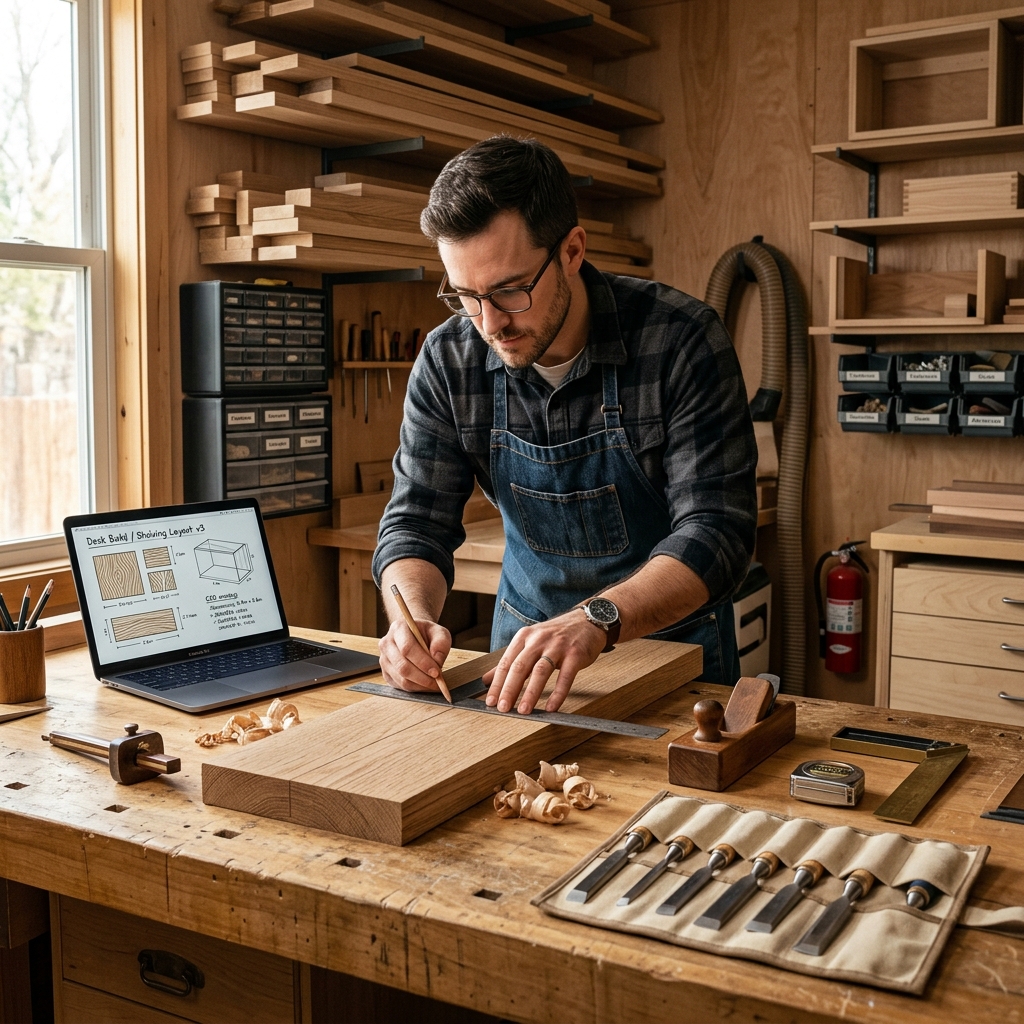
IT Professional in a workshop

Signs you may need a second skill

If any of these feel familiar, congratulations: your nervous system is already prequalified.

!

"Can AI do this task?" became a weekly meeting

You used to discuss architecture. Now you discuss prompts.

!

Your manager called it "efficiency"

The spreadsheet called it "headcount opportunity."

!

The intern automates your automation

Respect. Also: alarming.

!

You now review output from six tools

You spend more time correcting machines than writing code.

!

Your backlog shrank

Somehow this did not make your stress shrink.

!

You watch woodworking videos at 1:30 AM

This is either a hobby phase or your intuition trying to save you.

!

You miss tangible results

A fixed sink has fewer merge conflicts.

!

You want a skill that works offline

Bold strategy in this economy.

This is a joke. And also a practical idea.

You do not need to quit IT.

You do not need to panic.

You do not need to pretend the labor market is static.


You can keep your current career and build a second one slowly. A skilled trade can be:

  • a resilience plan
  • a side income
  • a long-term transition option
  • a screen-free competence that keeps you sane

The point is not "escape tech."
The point is stop depending on one category of work.

Choose your backup superpower

Not every job is equally resistant to automation. We like practical, local, judgment-heavy work that happens in the real world and usually involves tools, measurements, materials, or consequences.

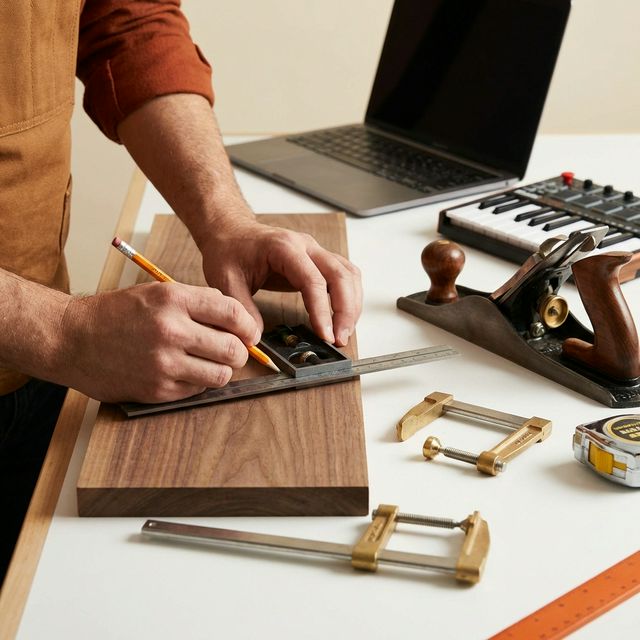
Carpenter measuring woodwork

Carpenter

Build things people touch every day.
Measure twice. Cut once. Blame no framework.

Good fit for IT people: precision mindset, planning and sequencing, satisfaction from visible results

Hard to automate because: variable spaces, on-site decisions, material behavior and finishing judgment

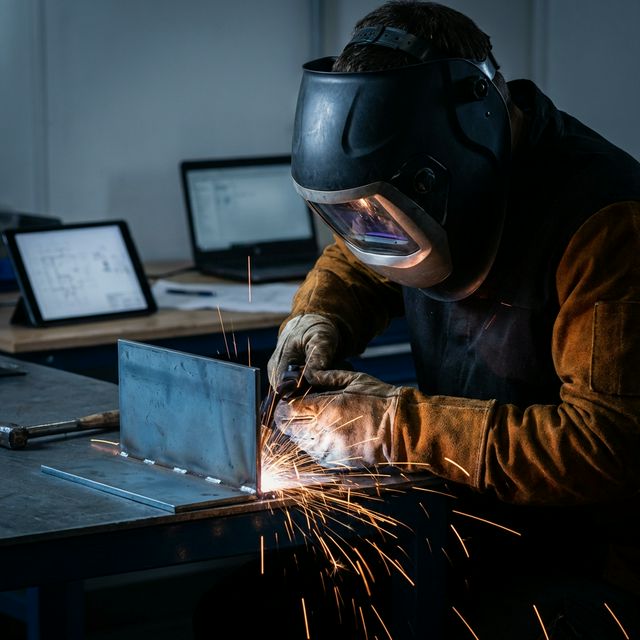
Welder at work

Welder

Hot metal. Real consequences. Beautiful beads.
The compiler warnings are brighter here.

Good fit for IT people: process discipline, standards and safety thinking, practice-based mastery

Hard to automate because: setup variation, field conditions, human quality judgment

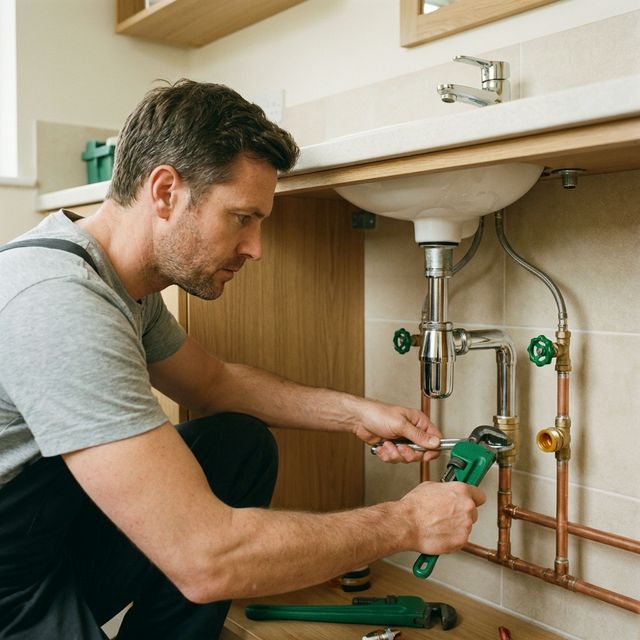
Plumber fixing pipes

Plumber

Society continues to need water where it belongs.
Arguably more essential than another AI wrapper.

Good fit for IT people: troubleshooting, systems thinking, calm under pressure

Hard to automate because: messy environments, hidden failures, fast diagnosis on-site

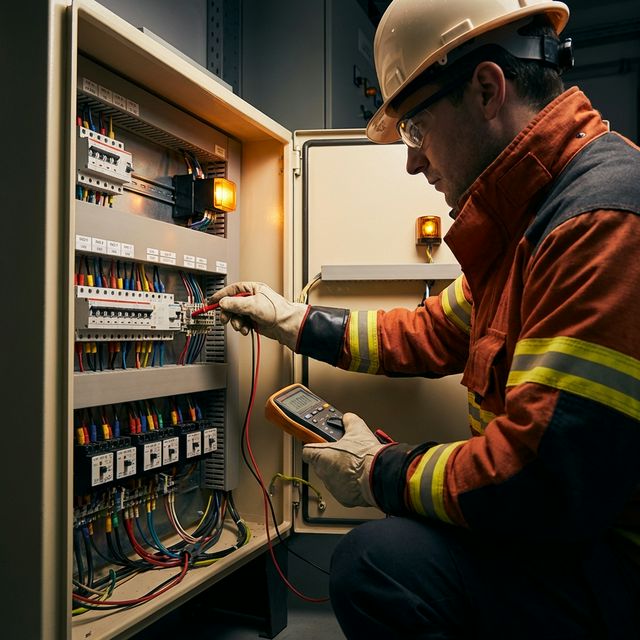
Electrician at breaker panel

Electrician

Debugging, but the bug can bite back.
High respect profession. Low tolerance for guessing.

Good fit for IT people: logic and circuits mindset, rule-following, documentation habits

Hard to automate because: code compliance, site-specific work, inspection and safe execution

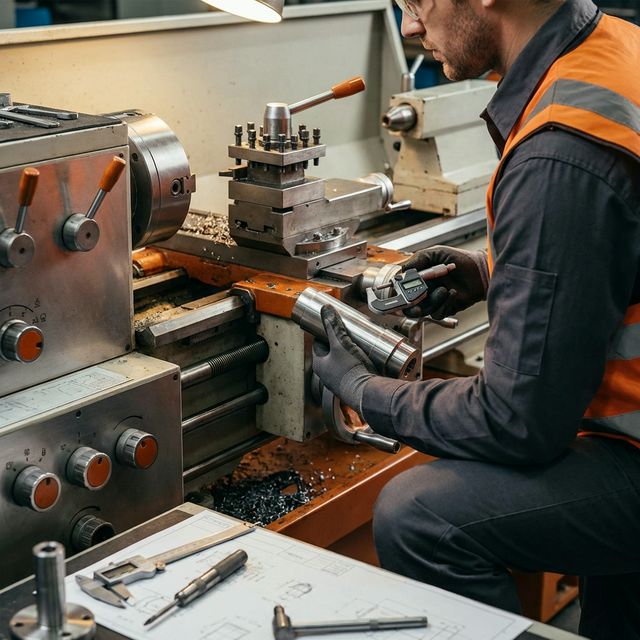
Machinist using lathe

Turner / Machinist

Tolerance matters. Finally, in millimeters.
Precision, setup, feel, and craft.

Good fit for IT people: precision and repeatability, process optimization, measurement discipline

Hard to automate because: setup and fixturing decisions, material variability, practical judgment during machining

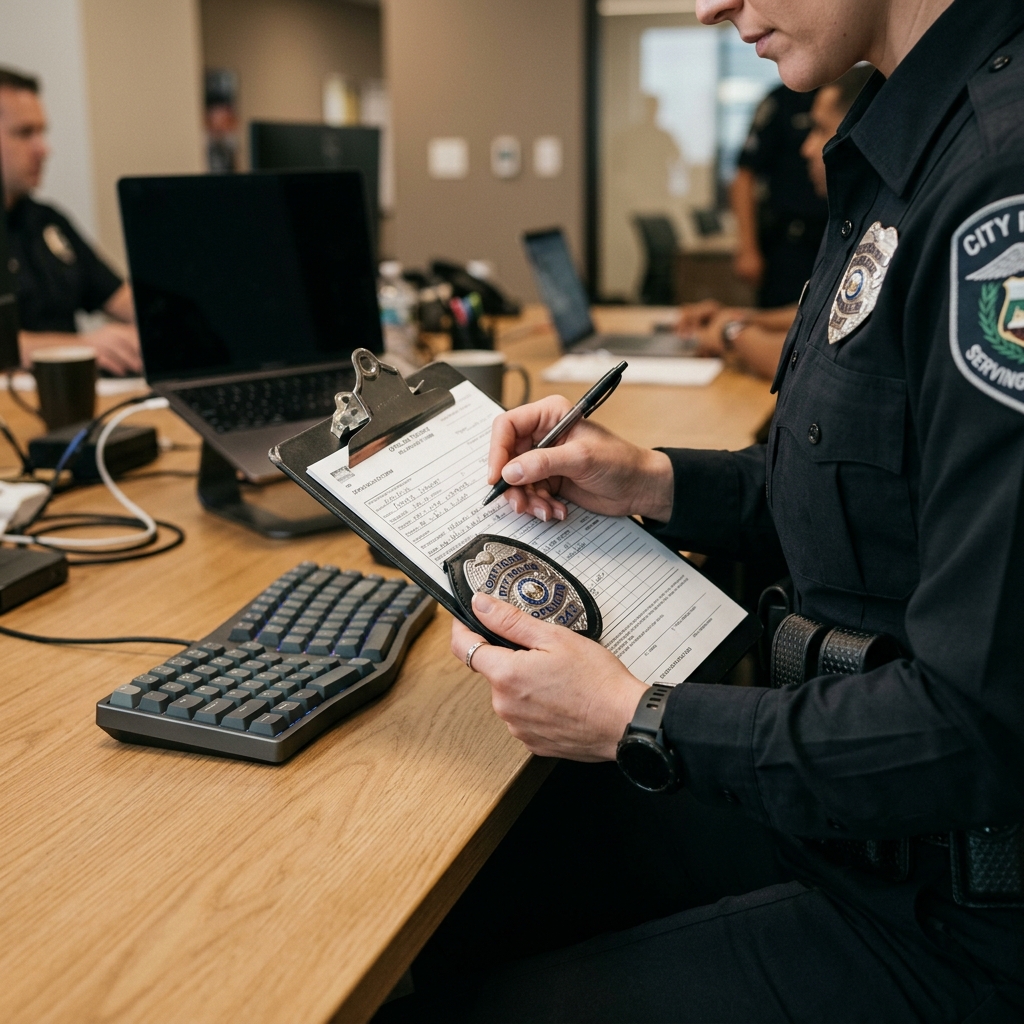
Police officer with subtle tech detail

Cop / Police Officer

Serious public-service work, not a quirky side quest.
A demanding profession built on presence, judgment, and trust under pressure.

Good fit for IT people: incident response, procedure, and staying calm when situations get messy fast

Hard to automate because: complex human interactions, unpredictable environments, accountability, and community trust

Politician at a desk with subtle tech detail

Politician

Almost impossible to automate because contradiction is still a human art.
Campaign promises, committee meetings, and legacy systems all in one role.

Good fit for IT people: debating features that will never be built, translating jargon, and surviving hostile stakeholder reviews

Hard to automate because: AI still struggles with coalition-building, symbolic handshakes, and saying three incompatible things in one sentence

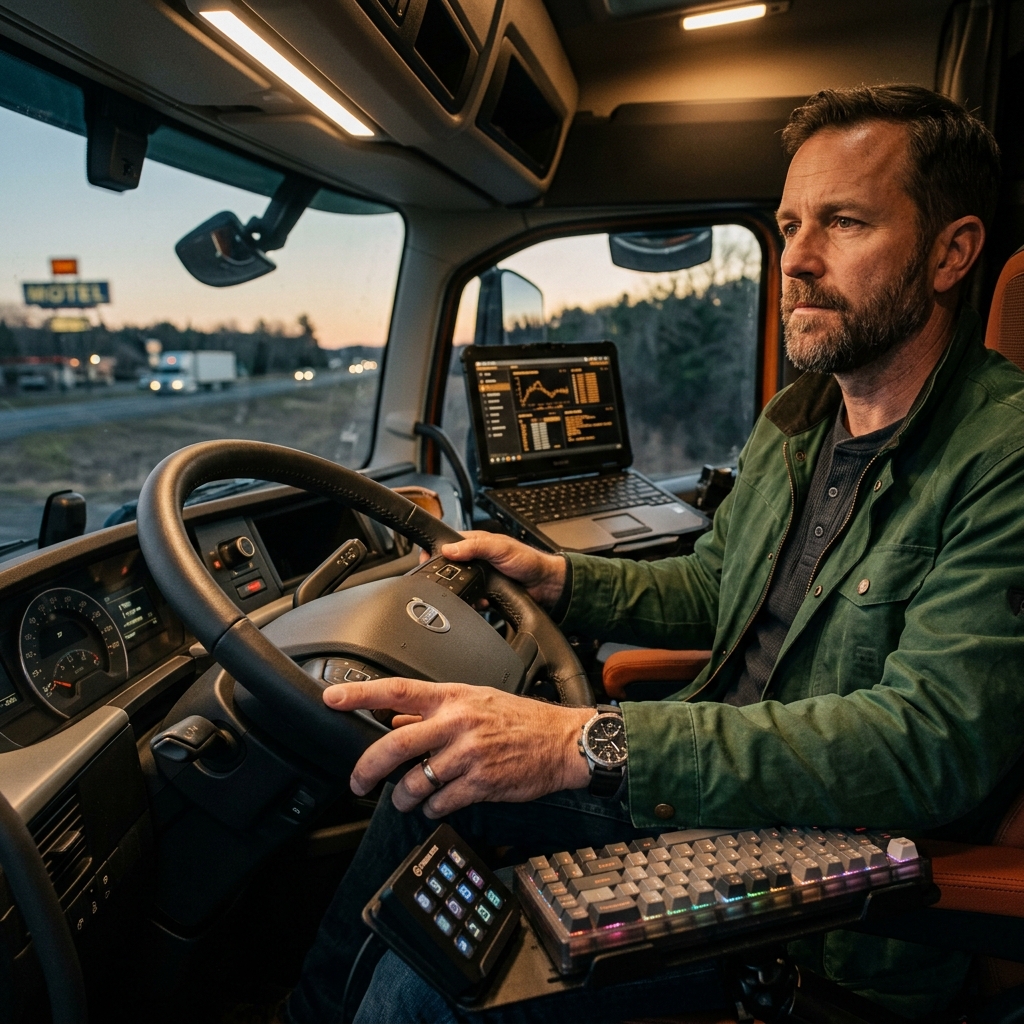
Truck driver in cab with subtle tech detail

Truck Driver

The backbone of physical logistics.
Massive respect for the people who keep the shelves stocked while the rest of us optimize slide decks.

Good fit for IT people: long-focus work, route discipline, and monitoring complex systems for hours without improvising nonsense

Hard to automate because: real roads, docks, weather, regulations, and human chaos remain more complicated than glossy demos suggest

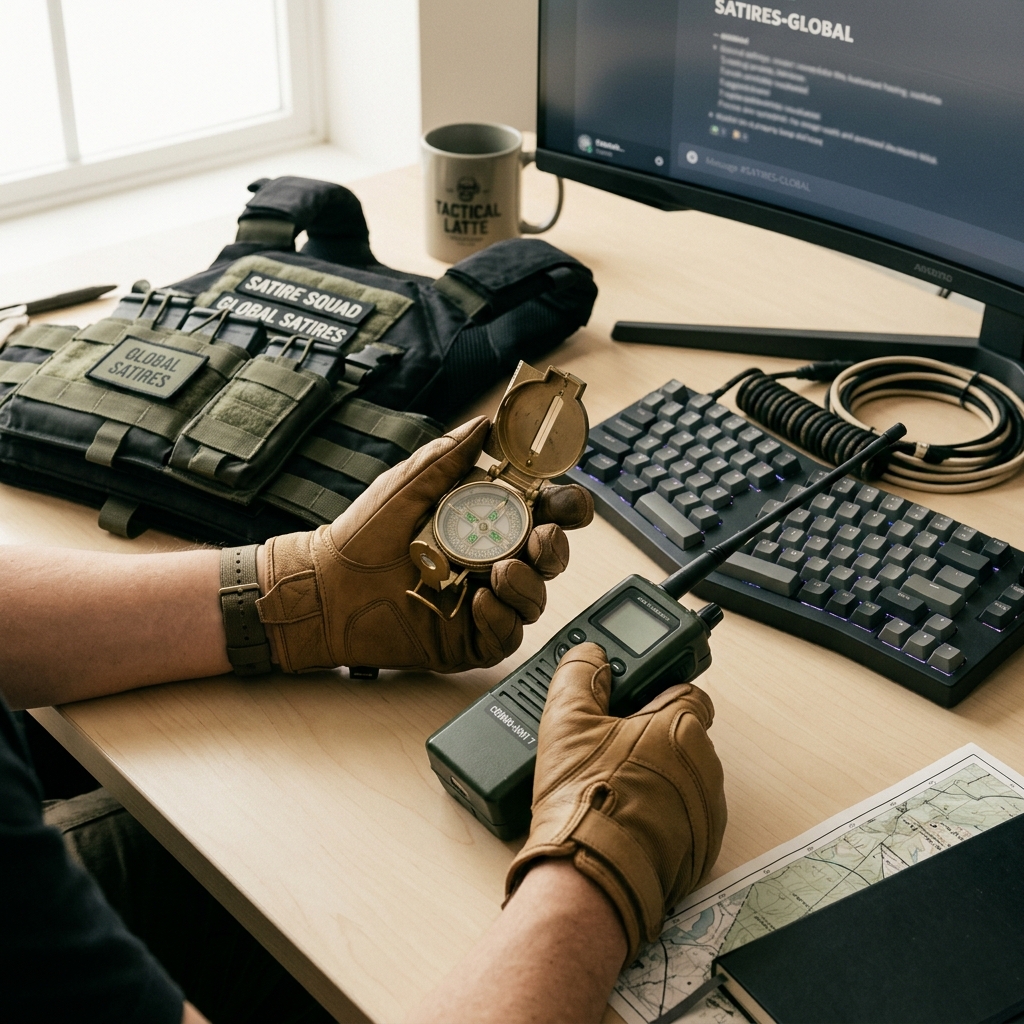
Soldier tactical gear with subtle tech detail

Soldier

Service, discipline, and risk on a level office work should not pretend to understand.
Not a casual backup plan. A serious profession with serious consequences.

Good fit for IT people: procedure, coordination, technical systems, and functioning when conditions are bad and stakes are worse

Hard to automate because: physical presence, judgment, accountability, and moral responsibility do not compress neatly into software

Our criteria (and why we are picky)

We are not suggesting "just get any second job." We are focused on skills that are:

  • practical and locally useful
  • difficult to automate end-to-end
  • based on physical execution and real-world judgment
  • valuable even when the internet is having a personality disorder

Let's be clear: transitioning to a new profession is not easy and it won't happen in a few weeks. There are no overnight success stories here. The goal is long-term resilience, not short-term panic hiring.

If this project grows, we would like to point people toward realistic training paths, credible schools, unions, and policy conversations instead of startup-pitch hallucinations.

Industry-leading outcomes (emotionally)

Time to first useful result

Potentially one weekend, if your expectations are normal.

Median confidence boost

Noticeable after successfully fixing one real thing.

Remote-work compatibility

Lower. That is kind of the point.

AI replacement risk

Depends on the task. Usually "please bring a ladder."

Satisfaction from tangible output

Suspiciously high.

Chance neighbors ask for help

Non-zero and rising.

FAQ

Yes. Also no. The tone is satirical. The idea is serious: diversify your skills, reduce career risk, and become more useful in more than one way.

No. AI is a tool, and it will keep changing how digital work is done. This project is about resilience and optionality, not panic or denial.

No. The whole point is to keep your current career while building a second skill gradually.

Because many skilled trades combine physical execution, judgment, and local context in ways that are still hard to automate completely.

No. This is for anyone in IT who wants a practical second profession. Skilled trades are for women and men. We want the tone to be funny, not exclusionary.

Updates, trade spotlights, resource roundups, and future announcements about what we build for this community.

Maybe in the future. First we are building the audience, learning what people want, and sharing useful resources.

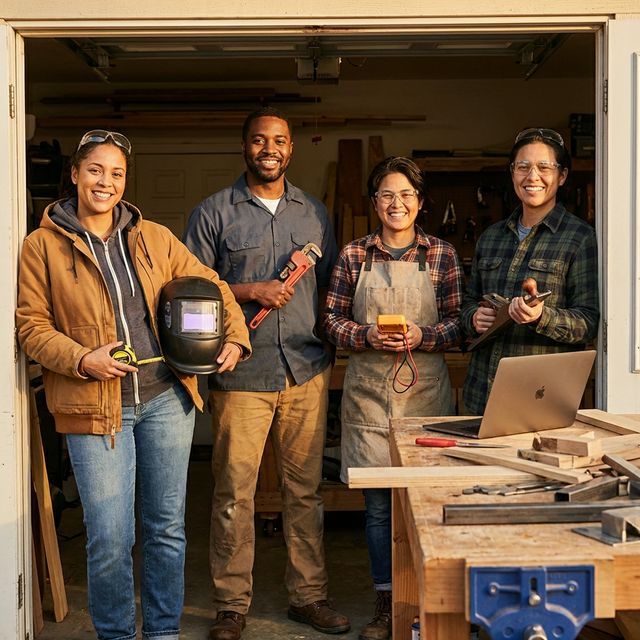
Diverse IT professionals in a workshop

Keep your keyboard. Add a toolbox.

You do not need to choose between modern tech and practical skill. Build both. Transitioning is hard, but future you may sleep better.

Follow Our Updates

For developers, admins, QA engineers, analysts, designers, and other people suddenly browsing welding helmets at midnight.